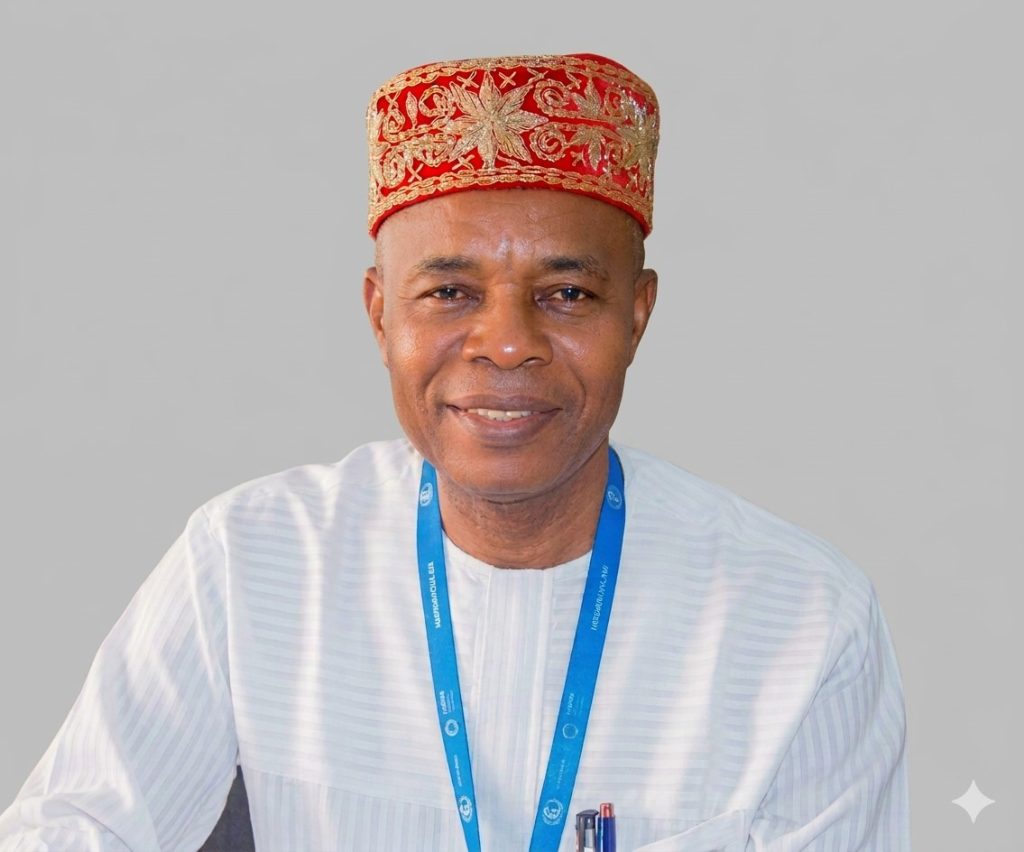
AFRIHEALTH BOSS SEEKS CLIMATE-RESILIENT PRIMARY HEALTH CARE TO ACHIEVE UNIVERSAL COVERAGE
By Our Correspondent, Abuja
The Chief Executive Officer of the Afrihealth Optonet Association (AHOA), Dr. Uzodinma Adirieje, has called for urgent reforms to make primary health care systems climate-resilient as a pathway to achieving universal health coverage.
Royal Paradise Media (News Online) learnt this from Dr. Adirieje Uzodinma recent as he spoke during the second edition of AHOA’s 2026 “Life & Health” Dialogue Series, which convened health experts, civil society leaders, and development practitioners from Nigeria, Kenya, Ghana, and India.
Speaking on the theme “UHC and Climate Resilience: Community-Based Approaches to Building Climate-Resilient Primary Health Care,” he warned that climate change has become a major driver of disease, health system disruption, and widening inequalities, particularly in vulnerable communities.
“Universal Health Coverage will remain an illusion unless primary health care systems are climate-resilient, community-driven, and sustainably financed,” he said. “Communities must be empowered as the first line of defence against climate-related health shocks.”
Dr. Adirieje stressed that achieving Universal Health Coverage (UHC) requires a fundamental shift towards integrating climate considerations into health planning, service delivery, and financing.
Participants at the forum agreed that communities play a central role in building resilient health systems, noting that local structures such as community health committees, volunteers, and traditional institutions already contribute significantly to disease surveillance, emergency response, and health education.
Case studies presented from across Africa and Asia highlighted how these community-based systems are bridging critical gaps in under-resourced public health systems.
The Dialogue also drew attention to emerging health threats linked to climate change, including malaria, heat stress, malnutrition, and water-borne diseases, which disproportionately affect rural and low-income urban populations.
Concerns were raised over declining international funding for climate and health interventions, with participants urging governments to strengthen domestic resource mobilisation and expand private sector engagement to sustain critical health investments.
Deliberations at the session produced key recommendations, including the adoption of community-led climate risk mapping, strengthening early warning and disease surveillance systems, investing in climate-smart health infrastructure such as solar-powered facilities, and integrating health, nutrition, and climate-smart agriculture at the community level.
Other proposed measures include empowering community health workers through training and digital tools, promoting decentralized and accountable primary health care governance, and enhancing civil society advocacy on climate and health commitments.
Dr. Adirieje reaffirmed AHOA’s commitment to leveraging the weekly Dialogue Series as a platform for evidence-based advocacy and policy engagement aligned with global development frameworks, including the Sustainable Development Goals and the African Union Agenda 2063.
According to him, the 52-week initiative will continue to mobilise experts and stakeholders across Africa and the Global South to advance climate-resilient primary health care as a foundation for health security, social justice, and sustainable development.
The next session in the series is expected to further deepen discussions on health systems strengthening in the face of climate change.