********ADIRIEJE URGES AFRICA TO PRIORITIZE DIGITAL HEALTH, DATA GOVERNANCE
By Our Correspondent, Abuja
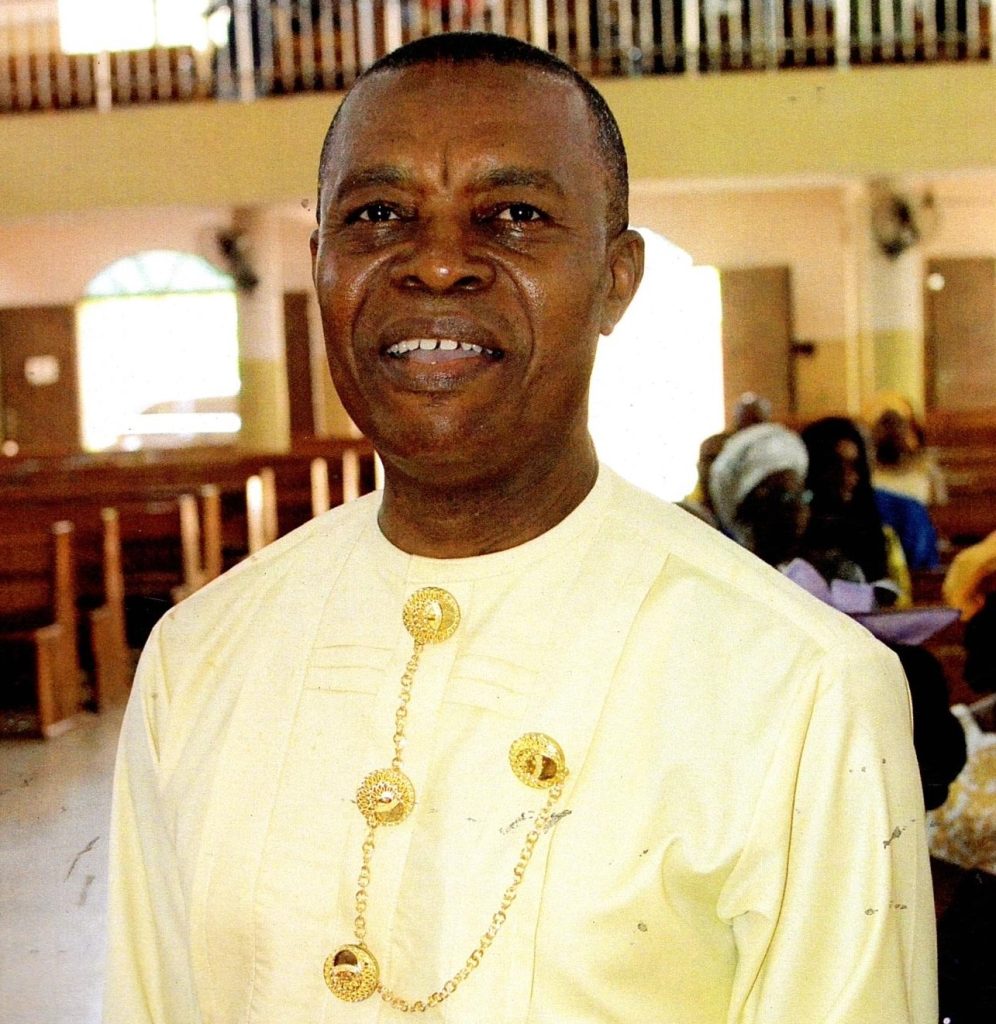
The Chief Executive Officer of the Afrihealth Optonet Association (AHOA), Dr. Uzodinma Adirieje, has called on African governments and stakeholders to prioritise digital health systems and strengthen data governance frameworks to improve healthcare delivery and equity across the continent.
Royal Paradise Media (News Online) learnt this from Dr. Adirieje Uzodinma recently while delivering the keynote address at the third session of AHOA’s “Life & Health” Dialogue Series in Abuja, themed “Digital Health Systems and Data Governance in Africa.”
He noted that digital technologies – including electronic medical records, telemedicine, disease surveillance platforms, and artificial intelligence, are rapidly transforming health systems and present a unique opportunity for Africa to accelerate progress towards Universal Health Coverage (UHC).
However, he cautioned that digital health goes beyond technology, stressing that the management and governance of health data will determine whether such innovations reduce or deepen existing inequalities.
“Data is the lifeblood of modern health systems. How we generate, manage, share, and protect it will shape the future of healthcare in Africa,” he said.
The AHOA chief warned that without strong governance frameworks, digital health systems risk becoming fragmented and unaccountable, thereby undermining public trust and national ownership.
He advocated for the development of integrated, interoperable, and resilient digital health architectures aligned with national priorities, rather than fragmented pilot initiatives driven by short-term funding.
According to him, digital tools must be embedded within primary healthcare systems to support frontline health workers and improve decision-making at community, subnational, and national levels.
Dr. Adirieje also stressed the need for rights-based data governance, calling for robust policies on data protection, informed consent, and cross-border data sharing to safeguard privacy and promote accountability.
“Africa must not become merely a source of data for global innovation without benefiting from its value. We must ensure data sovereignty and build strong local capacity for data stewardship,” he said.
He further highlighted the critical role of civil society in shaping inclusive digital health systems, describing organisations as essential watchdogs and partners in ensuring transparency, accountability, and community participation.
The dialogue brought together policymakers, development partners, academics, private sector actors, and civil society leaders to deliberate on strategies for strengthening Africa’s digital health ecosystem.
Dr. Adirieje reaffirmed AHOA’s commitment to advancing evidence-based policy engagement and community-centred solutions in line with global frameworks such as the Sustainable Development Goals and the African Union Agenda 2063.
He emphasised that while the future of healthcare in Africa must be digital, it must also be equitable, secure, and people-centred.
“The transformation we seek must be guided by trust, inclusiveness, and African leadership,” he added.
The “Life & Health” Dialogue Series, a 52-week initiative by AHOA, continues to serve as a platform for high-level discussions on health, climate, and sustainable development across Africa and the Global South.